
Mindfulness has never been more popular.
It appears in hospitals, schools, corporate training programmes, and on the screens of our phones. It is offered as a method for reducing stress, improving focus, regulating emotion, and enhancing well-being. For many people, it provides real relief. To pause, to notice the breath, to step out of the stream of constant distraction – these are meaningful shifts.
And yet, something subtle and important has happened in this widespread adoption.
Mindfulness, in many of its modern forms, has become disembodied. The coronavirus years of online working and online relating have only heightened this issue.
From Body to Head
In its traditional context, mindfulness is not primarily a mental technique. It is not about observing thoughts from a distance or cultivating a particular inner state. It is a way of inhabiting the body fully and directly.
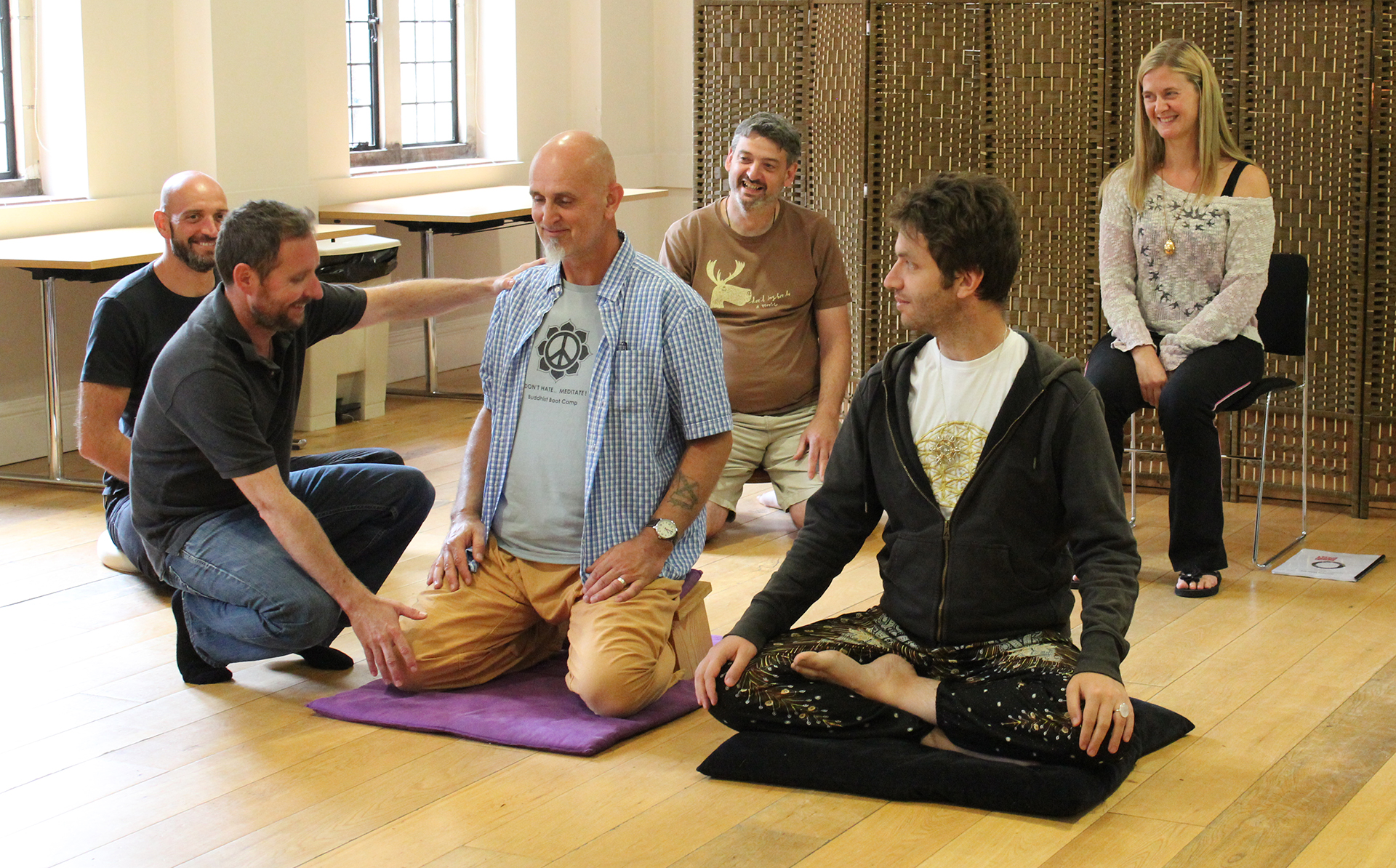
In Zen, practice begins with the body.
You sit; you take a posture; you align the spine; you feel the weight of the body on the cushion or the chair; you bring attention to the breath – not as an idea, but as a physical movement.
The body is not simply an object of mindfulness; it is the ground of it.
But in many modern approaches, mindfulness is subtly relocated upward. It becomes something that happens “in the head.” One observes thoughts, labels emotions, notices mental patterns. The language reflects this shift: “watch your thoughts,” “step back,” “observe your mind.”
The body, if it appears at all, is secondary – a support, a reference point, a calming anchor.
Something has been reversed.
The Cost of Abstraction
This disembodiment has consequences.
When mindfulness becomes primarily cognitive, it easily turns into a form of self-monitoring. The practitioner becomes someone who is watching their experience, evaluating it, perhaps even trying to improve it.
This can create a subtle division: the observer and the observed.
“I am aware of my breath.”
“I am noticing my thoughts.”
This structure is not wrong, but it can only ever be a threshold into the zone of mindfulness. If we stop with this division, instead of dissolving the sense of separation, it reinforces it.
By contrast, embodied practice begins elsewhere.
In the Zen approach to mindfulness, we do not stand apart from the body. We are the posture; we are the breathing. There is no need to create an observer, because experience is already whole.
Breath is not something “you are aware of.” Breath is simply happening, and you are not outside it.
The Intelligence of the Body
The Zen approach trusts the body in a very direct way.
Rather than trying to control or analyse experience, it allows the body to settle. The posture becomes stable and the breath becomes natural. Over time, the system regulates itself.
This is not passive. It requires care, attention, and precision, but the direction is different. Instead of imposing awareness onto the body, one allows awareness to emerge through the body.
The body has its own intelligence: Tension reveals itself. Restlessness reveals itself. Fatigue reveals itself.
There is no need to label or interpret immediately. When we remain with the sensations – physically, directly – something begins to shift. Not because we have understood something intellectually, but because the pattern has been fully embodied.
This is a very different process from observing thoughts about tension or labelling an emotion as “anxiety.”
It is closer to being the tension, being the breath, being the movement of experience itself.
Reclaiming Embodiment
To critique modern mindfulness is not to dismiss it. It is to ask how it might deepen.
What would it mean to reintroduce the body – not as a secondary focus, but as the centre of practice?
It might begin very simply. Instead of “watching the breath,” we feel it.
Instead of stepping back from experience, we enter it more fully.
Instead of managing thoughts, we notice how they are already embedded in sensation, posture, and movement.
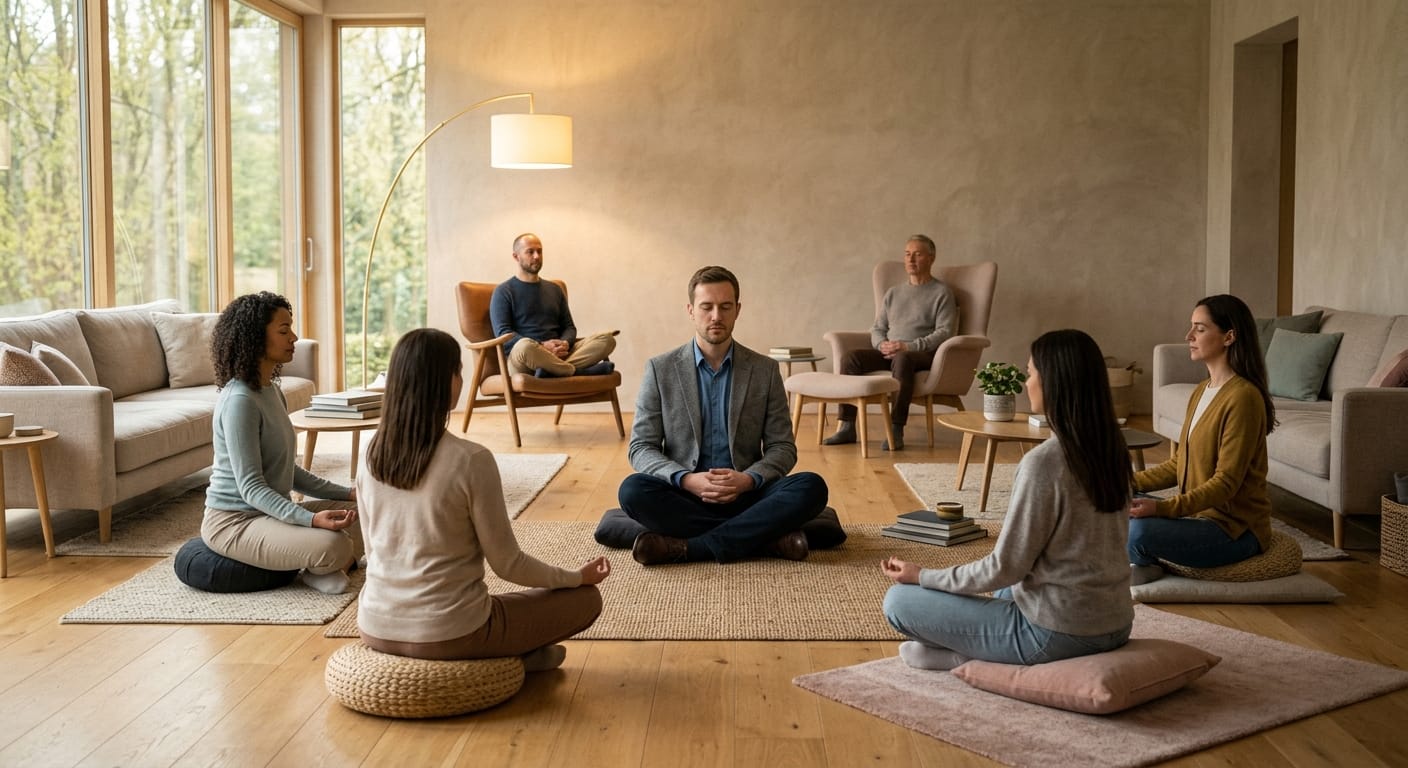
We might also reconsider how we sit: Is the body supported, aligned, awake? Or is meditation something we do casually, while slouched, distracted, half-engaged?
The physical form matters. Not as ritual, but as function.
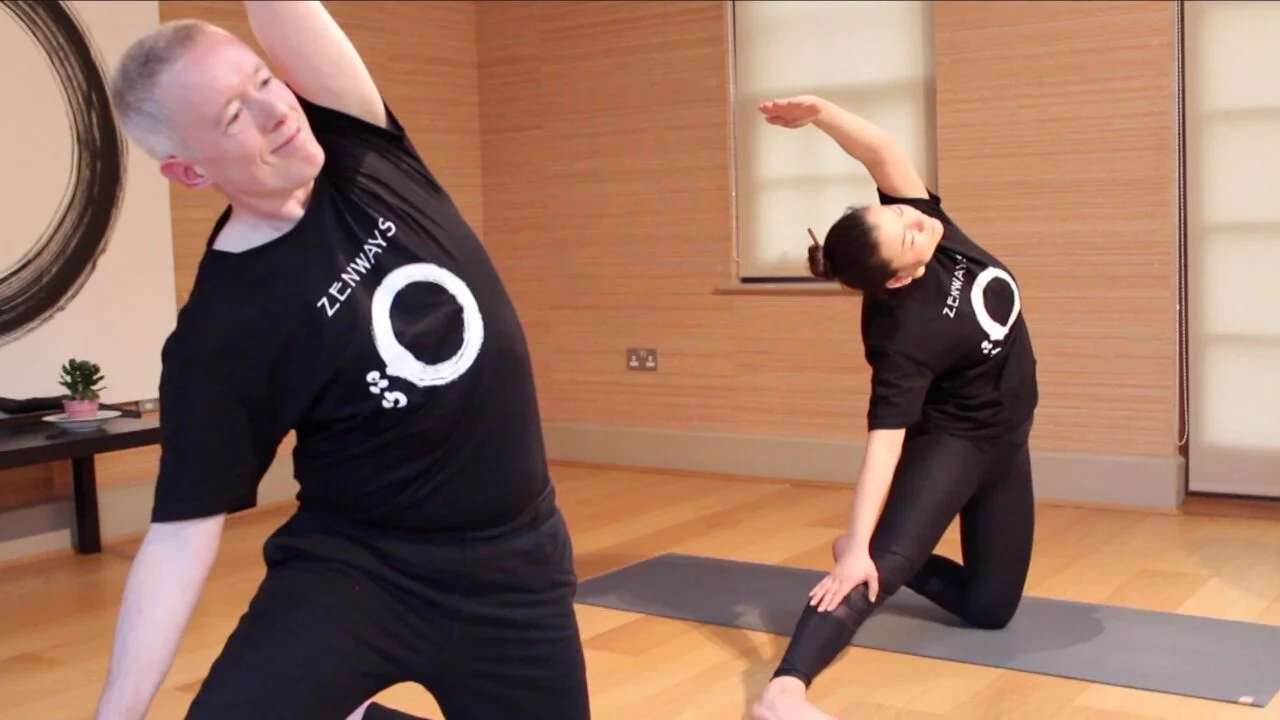
And beyond formal practice, embodiment extends into daily life. In each moment, the body is necessarily present.
The question is whether we are living as it, or thinking about it.
Beyond the Observer
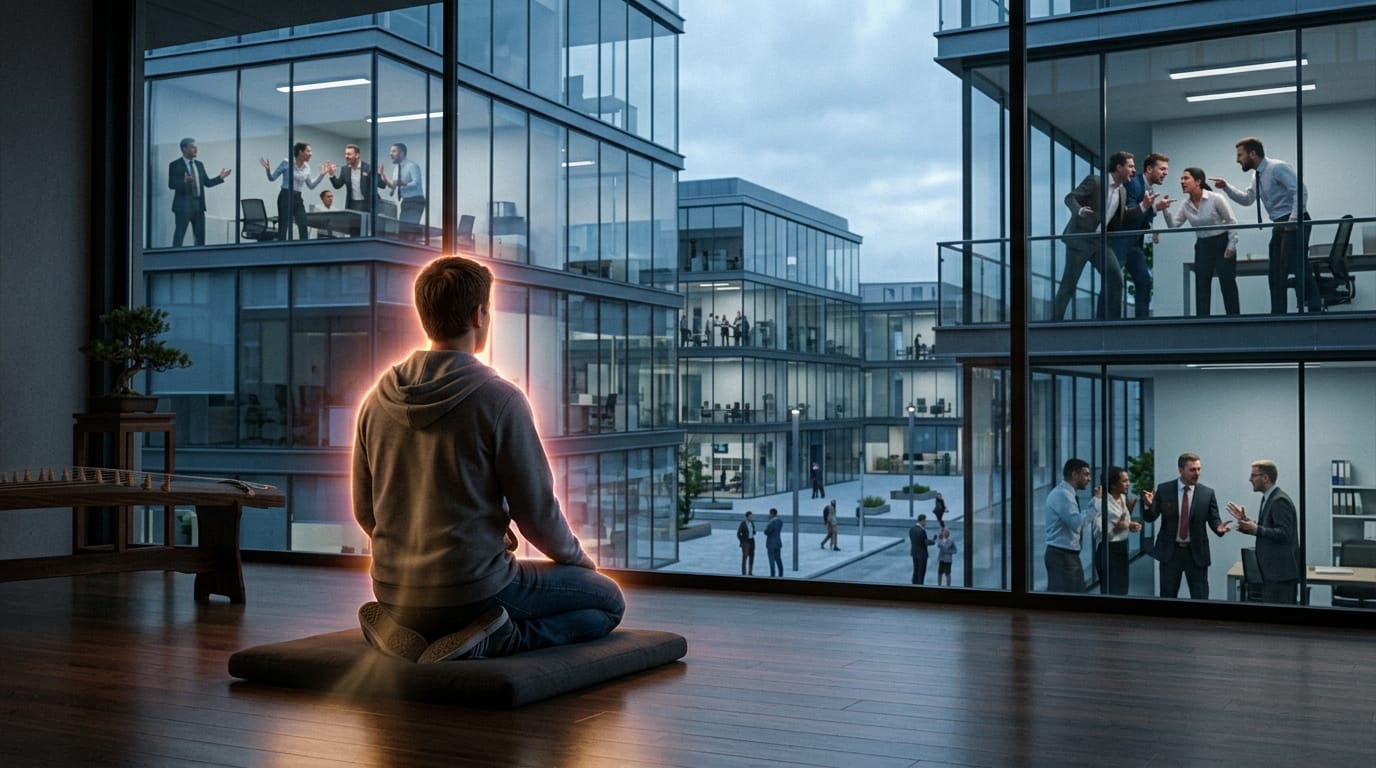
Ultimately, the disembodiment of mindfulness reflects a deeper tendency: the attempt to stand outside experience. To observe it, manage it and improve it.
The traditional approach of Zen moves in the opposite direction.
Not outside, but inside; not observing, but participating; not controlling, but allowing.
When the body is fully included, the division between observer and observed begins to soften. Breathing is just breathing. Sitting is just sitting. Sound is just sound. There is no need to hold it together or step back, no need to create a position from which to be mindful. This is not a loss of awareness; it is a simplification of it.
Awareness is no longer something we do – it is what remains when we stop interfering.
A Return to Ground
Mindfulness, in its modern form, often begins in abstraction and tries to move toward experience. Zen begins in the body and allows experience to reveal itself. This difference is subtle, but profound.
To return mindfulness to the body is to return it to its ground – not as a rejection of modern approaches, but as a completion of them. To bring the fullness of your being into this presence; to feel the weight, the contact, the movement of life as it is.
This is not an advanced practice, it is the beginning. And the end.